No products in the cart.
Best Eye Drops for Eye Pain and Inflammation: Uses and Options
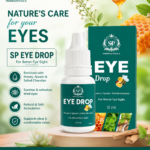
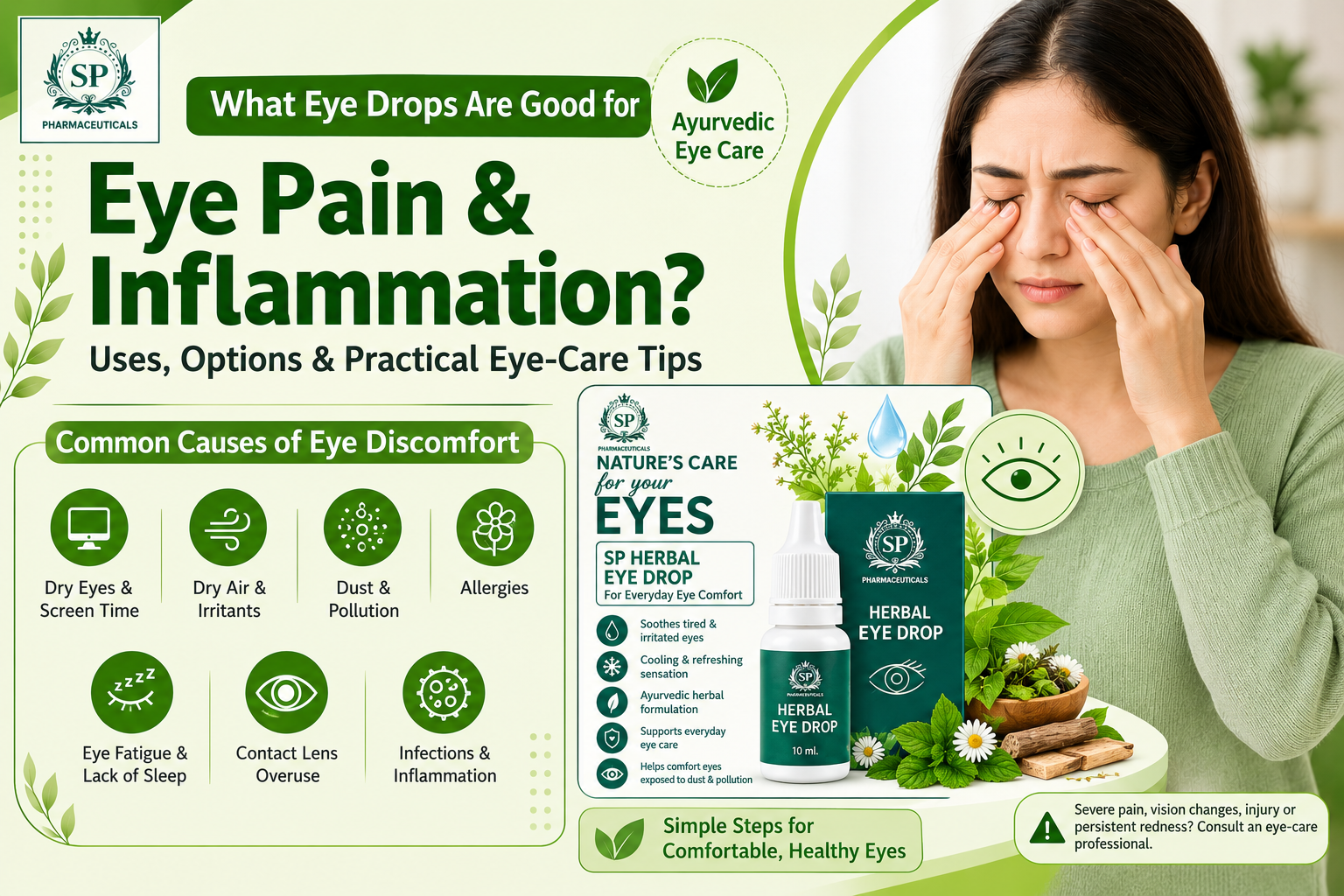
Quick Answer: What eye drops are good for inflammation? The right eye drops depend on the cause of inflammation. Lubricating drops may help with dryness and mild irritation, while allergy, antibiotic, or prescription anti-inflammatory eye drops may be recommended for specific conditions. If eye inflammation occurs with severe pain, blurred vision, light sensitivity, discharge, or injury, consult an eye-care professional promptly. Eye pain, redness, irritation, watering, and inflammation can make everyday activities uncomfortable. Whether your eyes feel sore after prolonged screen use, irritated because of dust and pollution, or red and watery because of allergies, choosing the right type of eye drops depends on the underlying cause. So, what eye drops are good for inflammation? There is no single eye drop that is suitable for every type of eye inflammation. Different eye conditions may require lubricating, allergy-relief, antibiotic, or prescription anti-inflammatory eye drops. Using the wrong product can sometimes delay appropriate treatment or worsen symptoms. For mild tiredness and irritation, soothing or lubricating eye drops may help improve comfort. However, significant eye pain, changes in vision, severe redness, light sensitivity, discharge, or an eye injury should be evaluated by an eye-care professional. What Causes Eye Pain and Inflammation? Eye pain and inflammation are symptoms rather than a single condition. Several factors can contribute to discomfort, redness, or watering. Common causes include: Redness can also occur with conditions that require medical attention, so it is important not to choose eye drops based only on how red the eyes look. What Eye Drops Are Good for Inflammation? The best eye drops depend on why the eye is inflamed or uncomfortable. Artificial tears or lubricating eye drops are commonly used for dryness and mild irritation. They can help provide moisture and relieve the uncomfortable sensation associated with dry or tired eyes. They may be particularly useful when eye discomfort is related to: Preservative-free artificial tears can be useful for people who need frequent lubrication. If redness, itching, and watering are associated with allergies, allergy-specific eye drops may be recommended. Common allergy triggers include: Because allergy symptoms can resemble other eye conditions, persistent or severe symptoms should be assessed by a healthcare professional. Some inflammatory eye conditions require prescription treatment. Corticosteroid or other anti-inflammatory eye drops may be prescribed by an ophthalmologist when appropriate. These should not be self-selected or used without professional guidance, because the cause of eye inflammation needs to be established first. For example, conditions such as uveitis can cause eye pain, redness, light sensitivity, and vision changes and require prompt medical assessment. Antibiotic eye drops are used for certain bacterial eye infections when prescribed or recommended by a healthcare professional. They are not appropriate for every red or painful eye because redness and irritation can have many different causes. Some herbal or Ayurvedic eye-drop formulations are designed to provide a cooling, soothing, or refreshing sensation and support everyday eye comfort. For example, SP Pharmaceuticals Herbal Eye Drop is an Ayurvedic proprietary formulation containing ingredients such as Honey (Madhu), Tulsi, Ajwain, Safed Chandan, Punarnava, Neem, Haritaki, Amla, Camphor, Shigru, Yashad Bhasma, Sphatika Bhasma, Boric Acid, and distilled water. According to the product information, it is intended to soothe tired eyes, provide a cooling sensation, support everyday eye hygiene, and relieve discomfort associated with dust, pollution, and prolonged screen exposure. However, a soothing eye drop should not be considered a substitute for professional diagnosis when eye pain or inflammation may be caused by an underlying eye condition. Best Eye Drops for Eye Pain: How Should You Choose? The best eye drops for eye pain depend on the reason for the pain. Eye symptom Possible cause Type of eye drop that may be considered Dry, uncomfortable eyes Dry eye Lubricating/artificial tears Tired eyes after screen use Digital eye strain Lubricating/soothing drops Itchy, watery eyes Allergies Allergy-specific eye drops Redness with discharge Possible infection Medical evaluation; treatment depends on cause Significant eye inflammation Inflammatory condition Prescription treatment may be required Mild irritation from dust Environmental irritation Lubricating/soothing drops may help Severe pain or vision changes Potentially serious condition Prompt eye examination This table is intended as general information, not a diagnosis. Eye Drops for Red and Inflamed Eyes Red eyes do not always mean that you need a redness-relief eye drop. Redness can result from dryness, allergies, irritation, contact lens use, infection, inflammation, or other eye conditions. Some decongestant eye drops temporarily reduce redness by constricting blood vessels, but frequent use may contribute to rebound redness. Therefore, rather than asking only “What are the best eye drops for red and inflamed eyes?”, it is more useful to identify the reason behind the redness. If redness occurs together with pain, blurred vision, light sensitivity, discharge, or an injury, seek professional medical advice. Eye Drops for Sore and Watery Eyes Sore and watery eyes can occur because of dry eyes, allergies, irritation, infection, or inflammation. Interestingly, dry eyes themselves can sometimes cause excessive watering because the eye reacts to surface irritation by producing more tears. Allergies, infections, and other forms of eye-surface inflammation can also cause watery eyes. For mild dryness or environmental irritation, lubricating or soothing eye drops may provide comfort. But persistent watering accompanied by pain, a feeling that something is stuck in the eye, or changes in vision should be evaluated by a healthcare professional. Can Screen Time Cause Eye Pain and Irritation? Yes. Spending long periods looking at computers, smartphones, and other digital screens can contribute to tired, dry, or uncomfortable eyes. People who spend many hours in front of screens may experience: Simple habits can help, including taking regular breaks, blinking frequently, adjusting screen brightness, and keeping the screen at a comfortable viewing distance. For people looking for an Ayurvedic option for everyday eye care, SP Pharmaceuticals Herbal Eye Drop is formulated with a combination of traditional Ayurvedic and natural ingredients. The product page states that the formulation is designed to help soothe and refresh tired, strained eyes, provide a gentle cooling sensation, support everyday eye hygiene, and relieve discomfort